



- sales/support
Google Chat:---
- sales
+86-0755-88291180
- sales01
sales@spotpear.com
- sales02
dragon_manager@163.com
- support
tech-support@spotpear.com
- CEO-Complaints
zhoujie@spotpear.com
- Only Tech-Support
WhatsApp:13246739196
- Purchase/Shipping/Refund
WhatsApp:13424403025
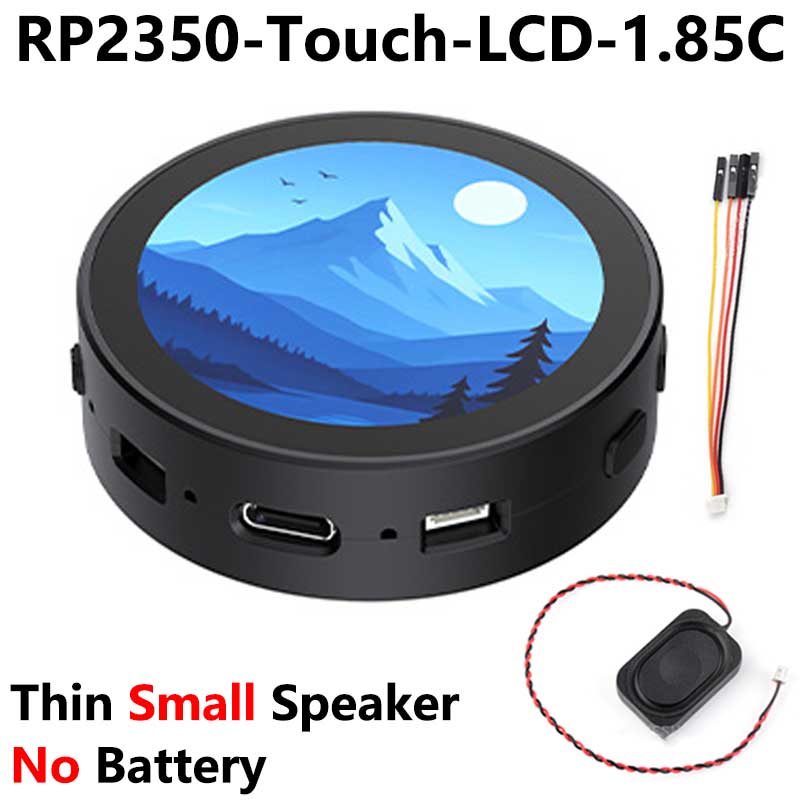
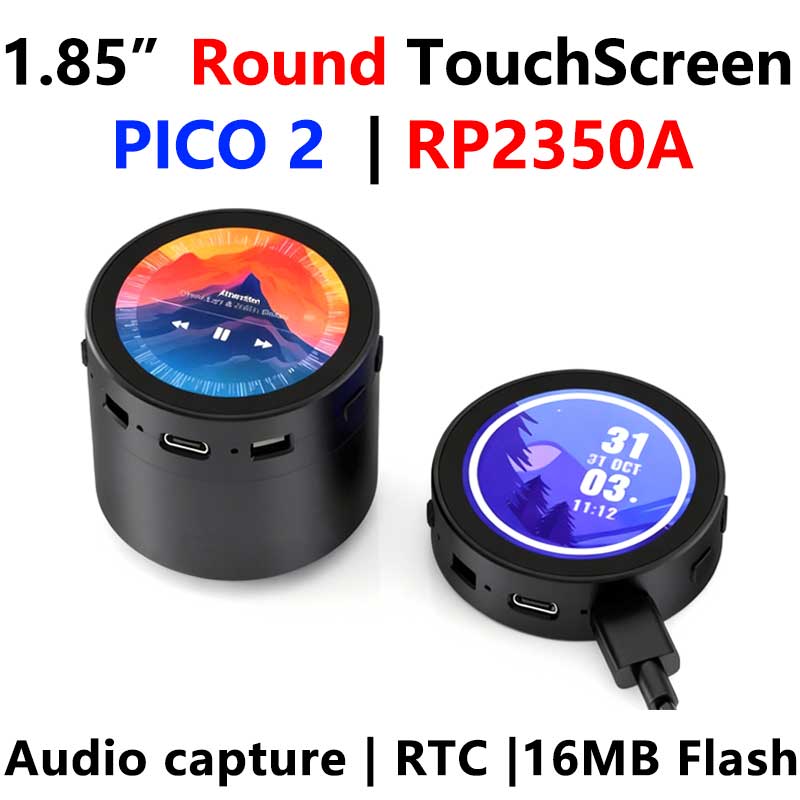
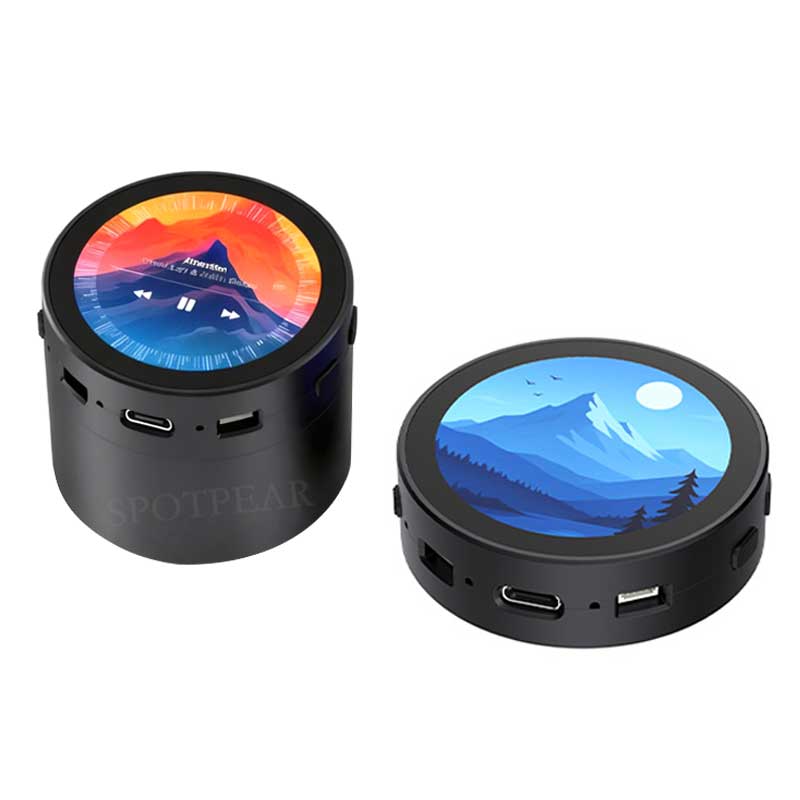
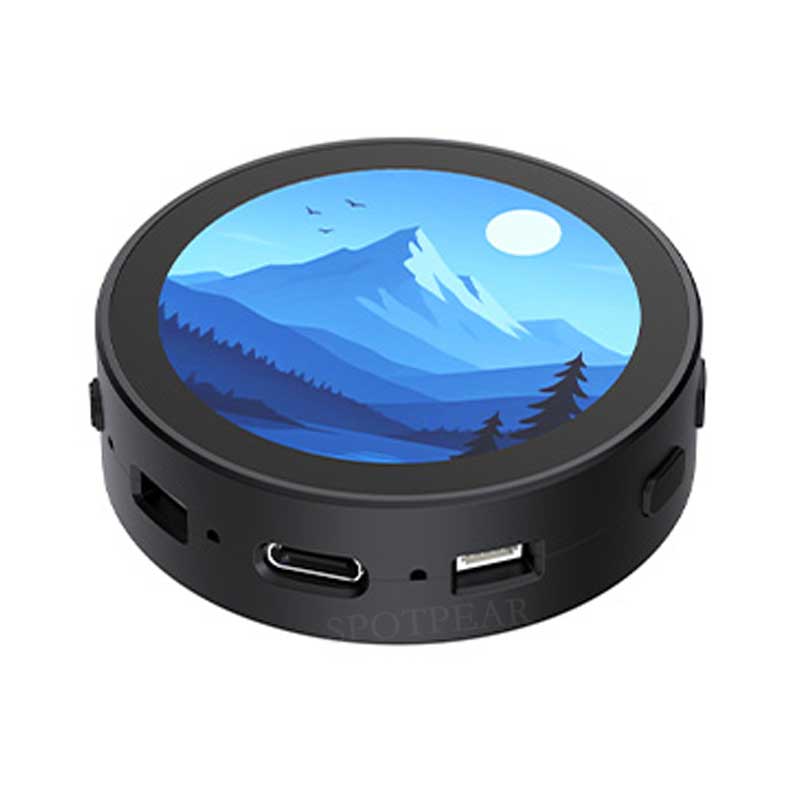
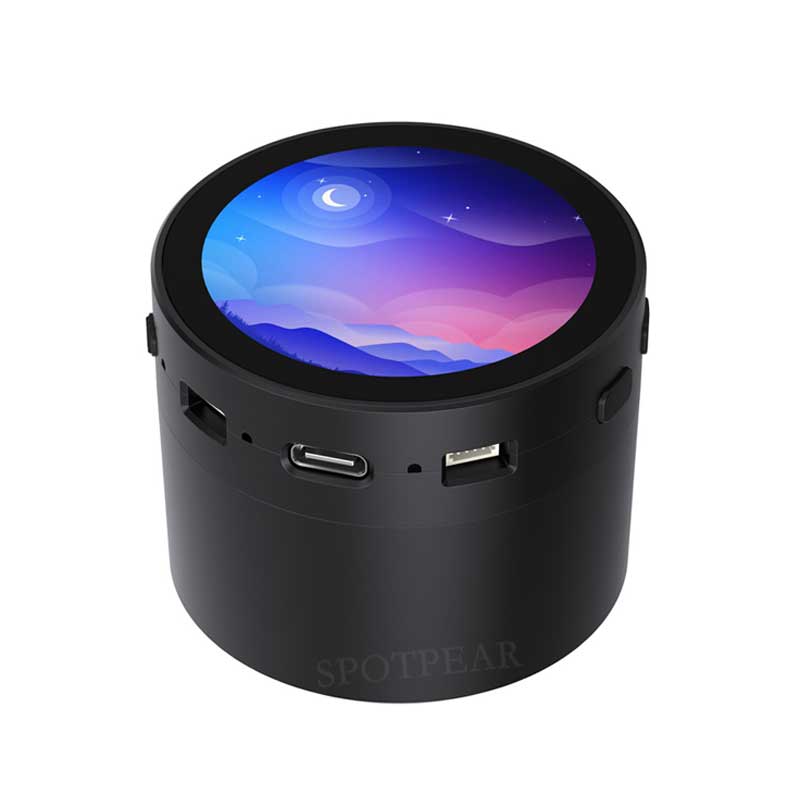
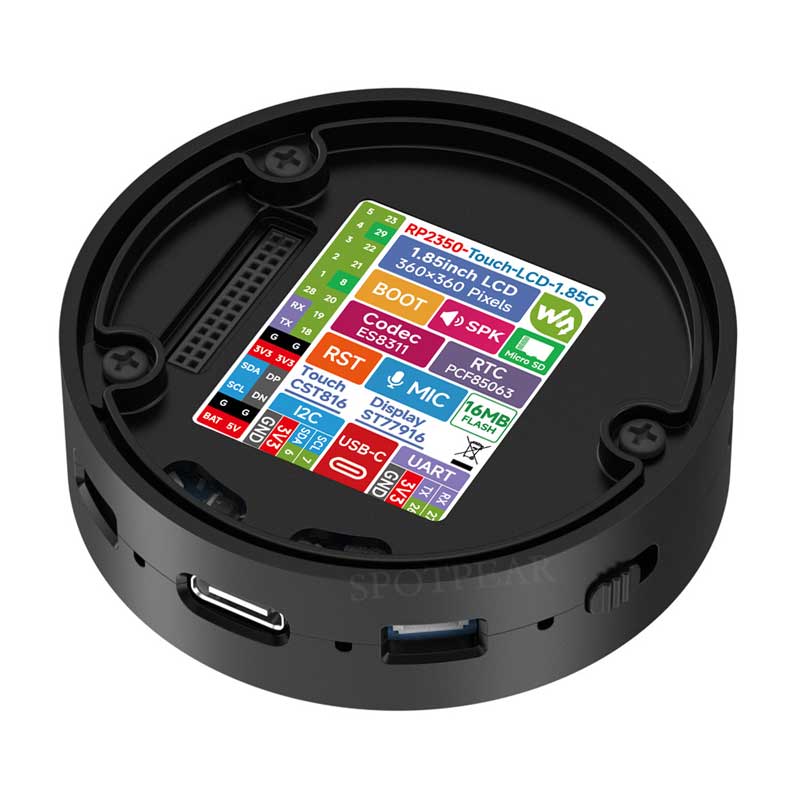
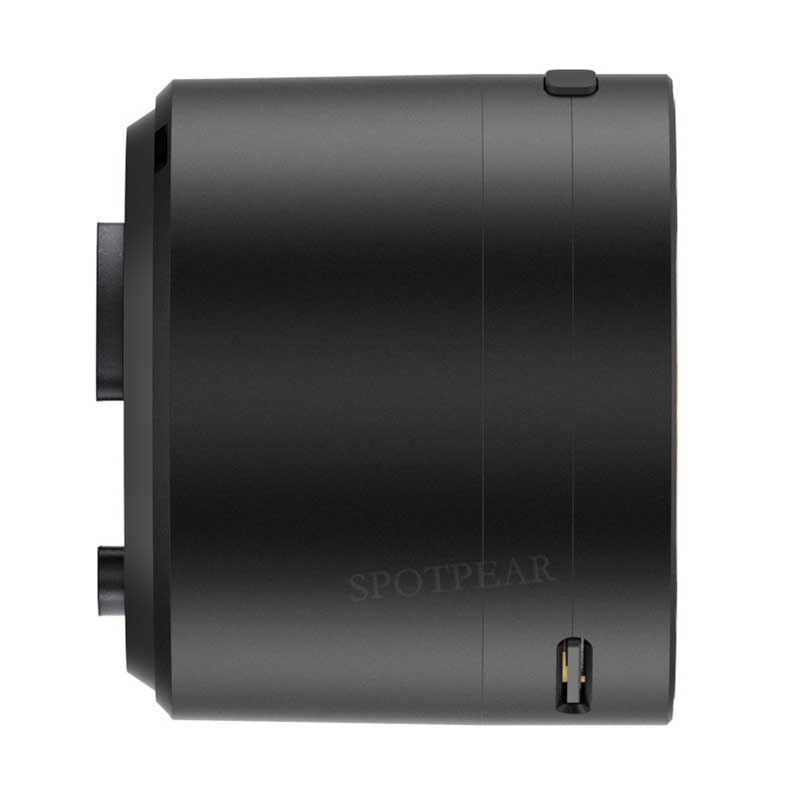
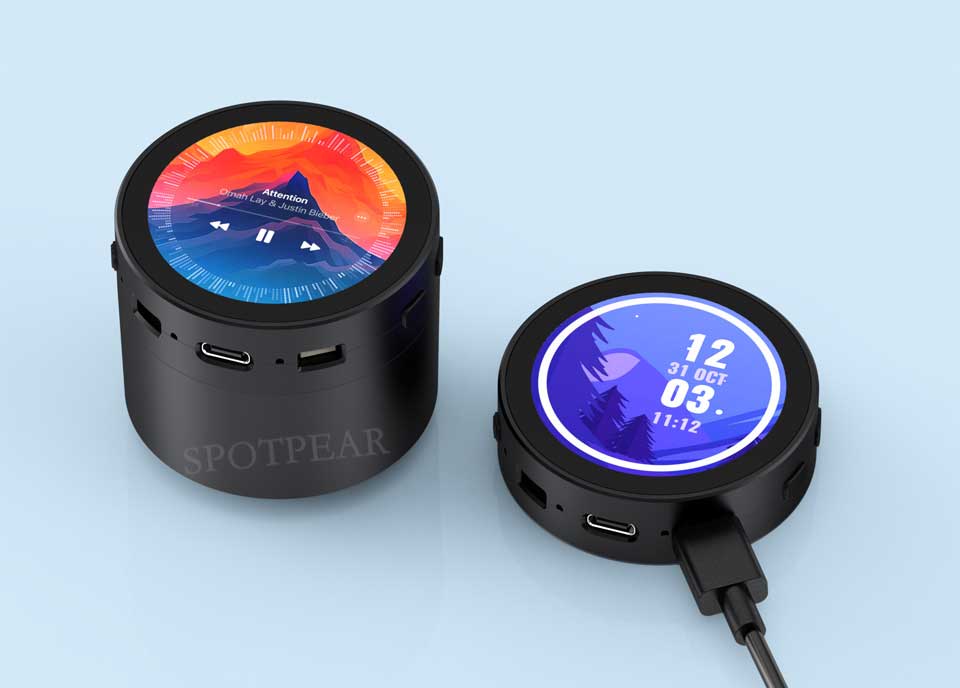
Raspberry Pi Pico 2 RP2350A Audio Box 1.85-inch LCD Round 1.85inch TouchScreen Speaker 360x360
$35.9
Brand:SpotPear
SKU:010192000000
Date:2025-12-27 14:00
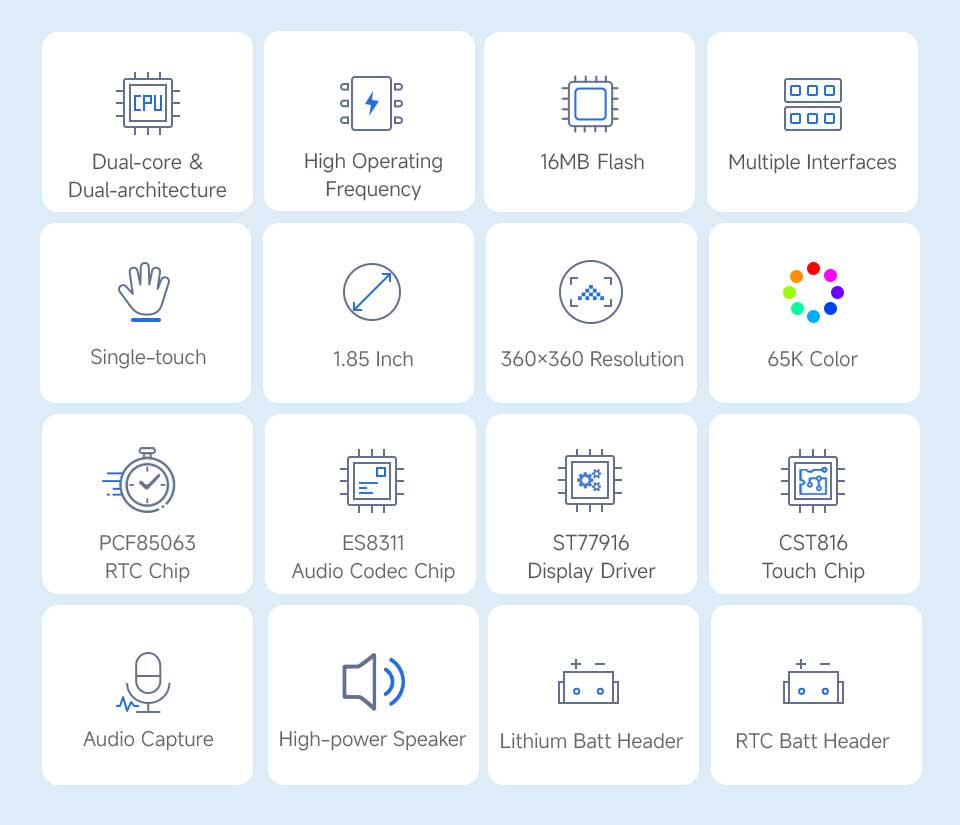
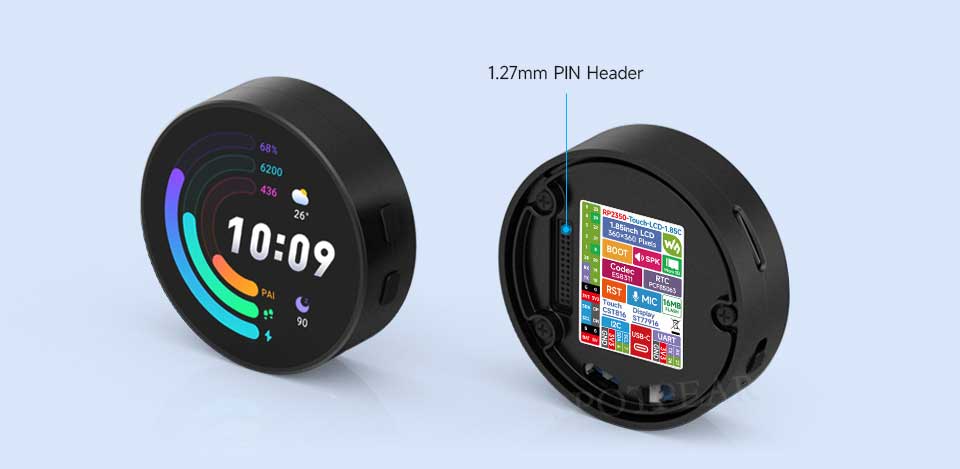
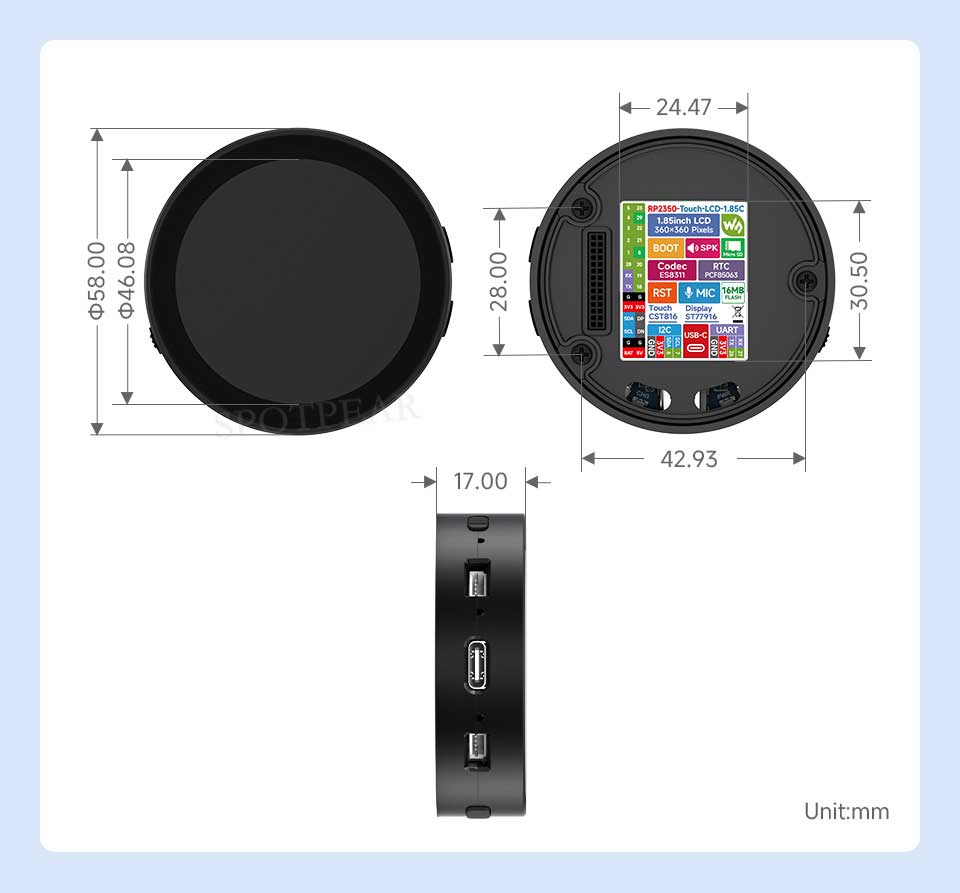
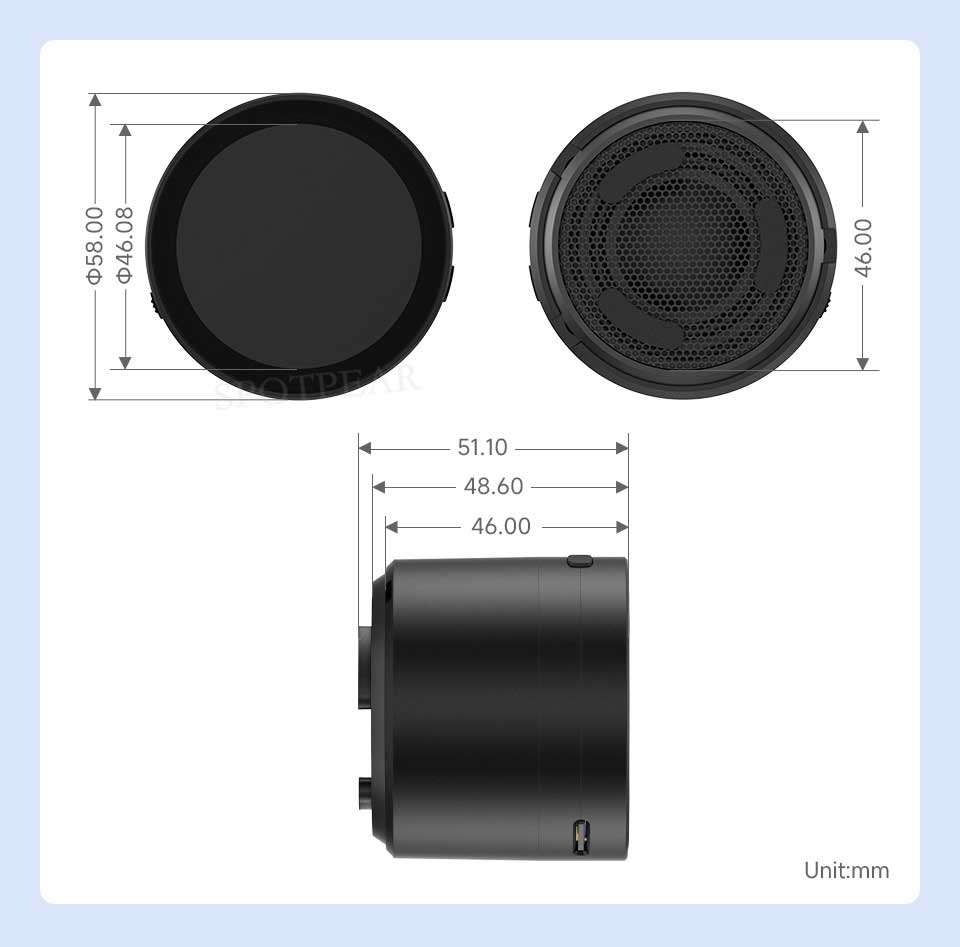
RP2350 1.85inch Round LCD Development Board, 360×360, 65K Color, Dual-core And Dual-architecture Design
Raspberry Pi Pico 2 RP2350 Recommend
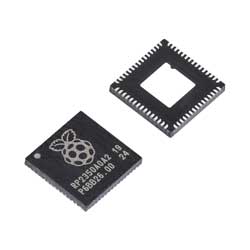
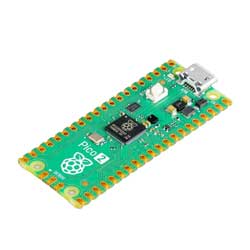
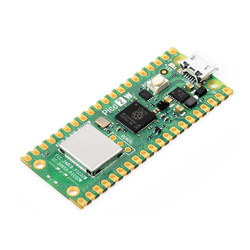
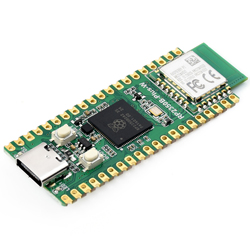
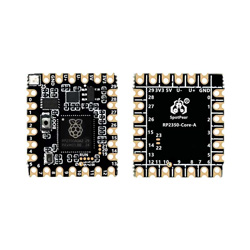
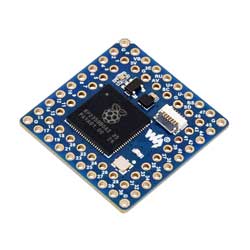
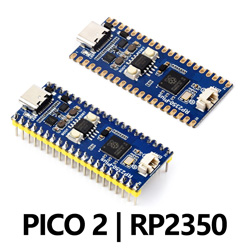
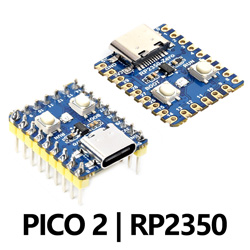
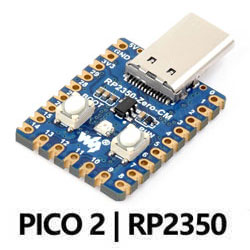
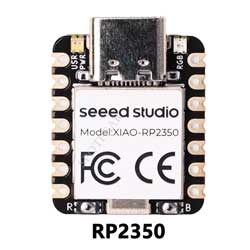
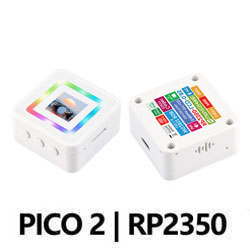
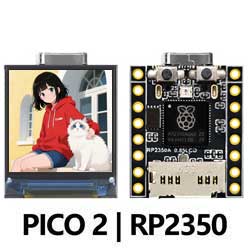
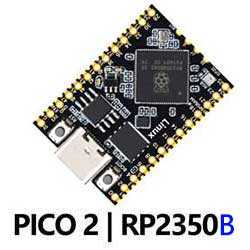
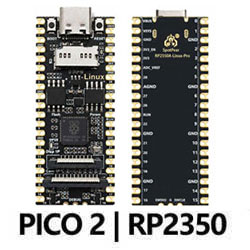
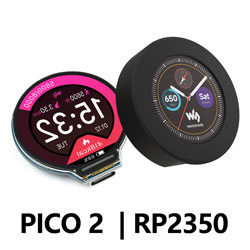
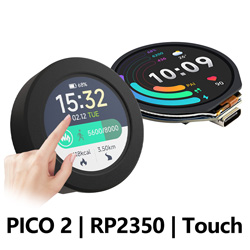
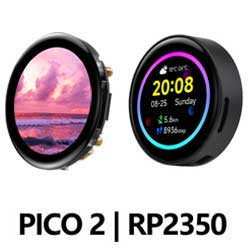
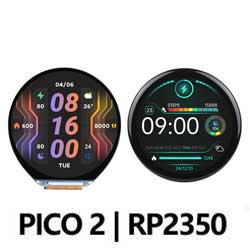

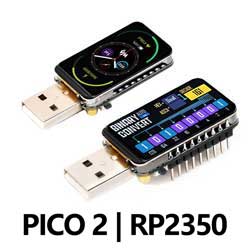
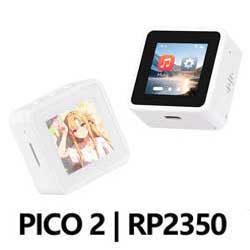
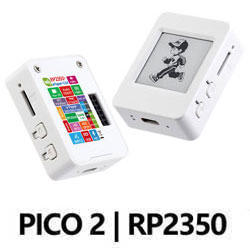
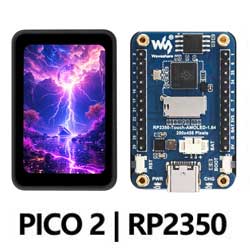
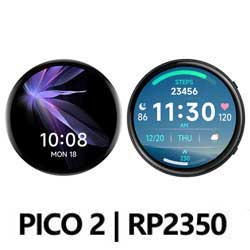
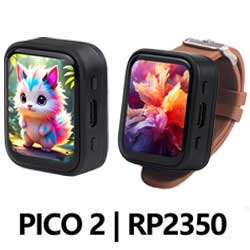
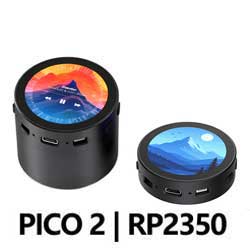
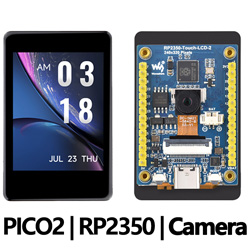
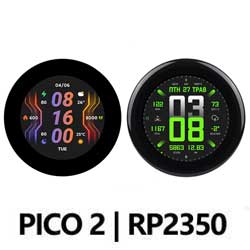
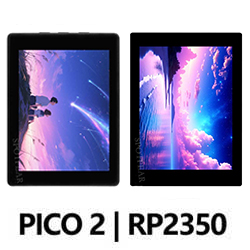
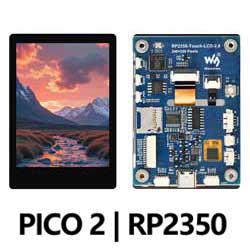
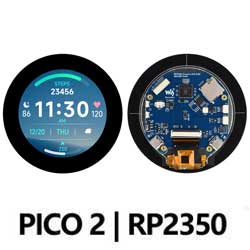
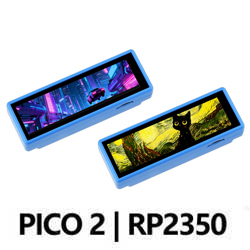
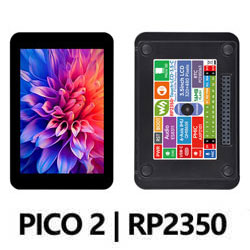
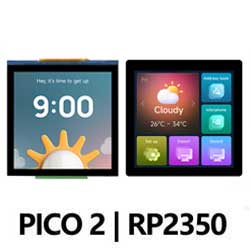
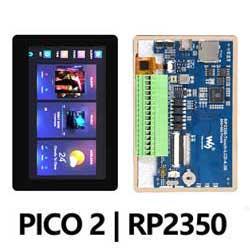
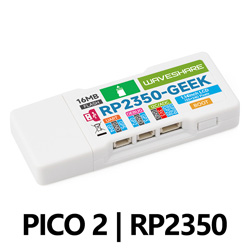
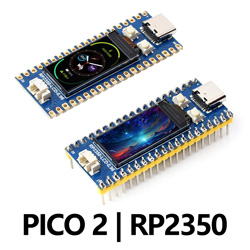
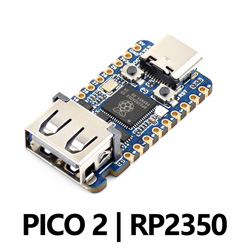
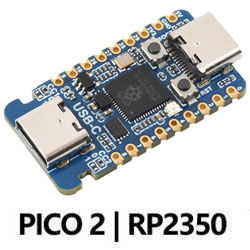
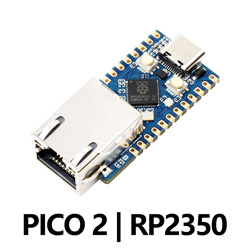
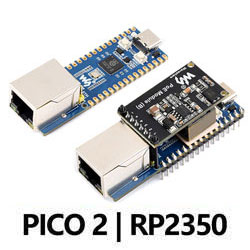
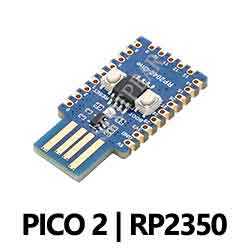
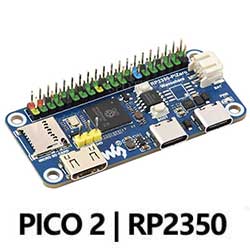
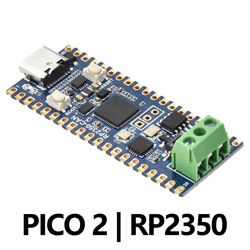
RP2350 1.85″ Round Display
Development Board
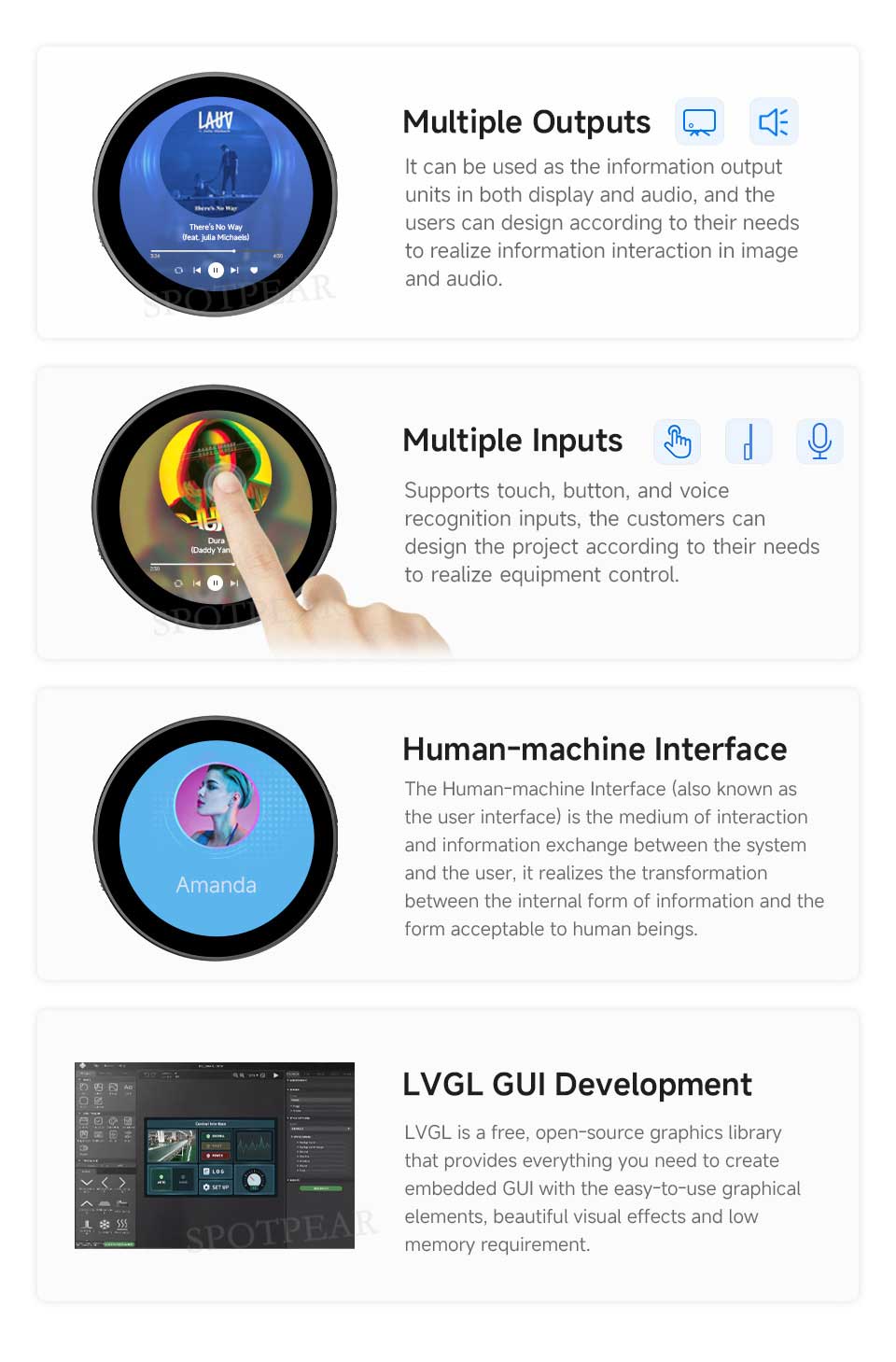
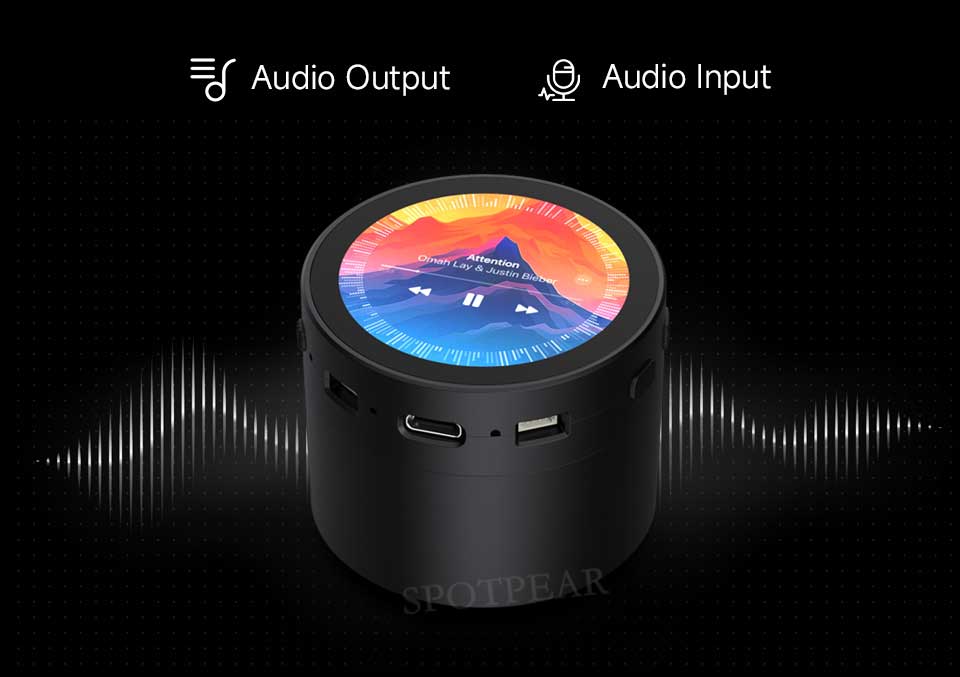
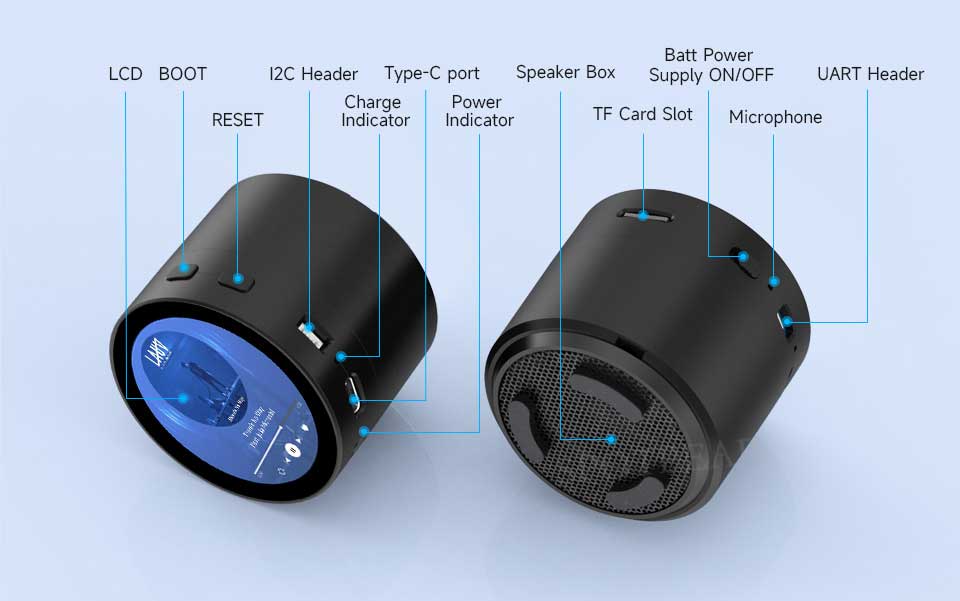
Integrated Audio Input And Output, Multiple Peripheral Interfaces
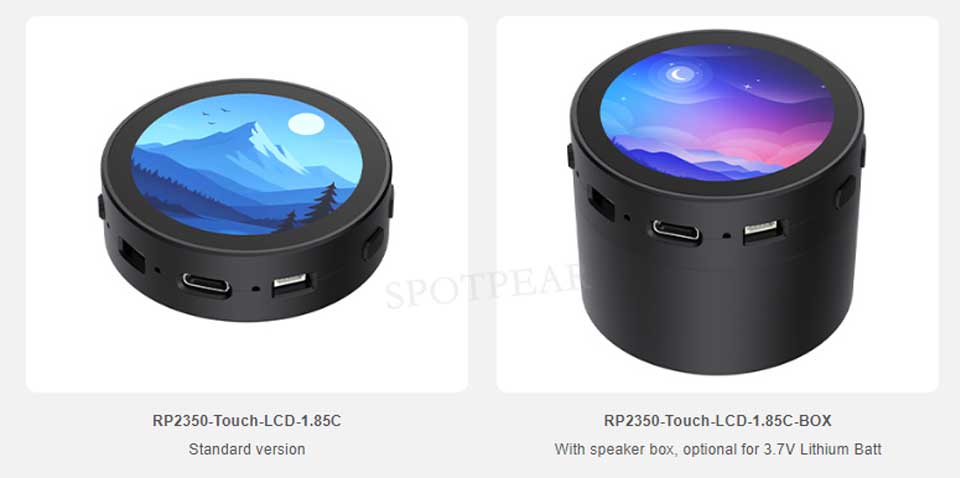
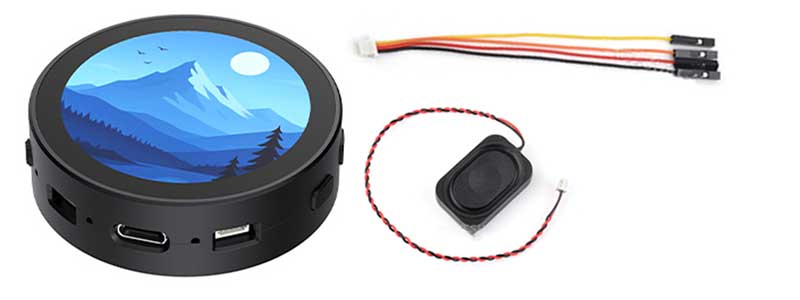
Version Options
All Versions Come With Touch Function


TAG:
ESP32-C6 2.8inch LCD Display Capacitive AI Development Board 240×320 2.8 inch TouchScreen
Raspberry Pi 4/4.3 inch DSI MIPI LCD TouchScreen Display 4/4.3inch 480x800 For Luckfox Lyra RK3506/ESP32-P4/Luckfox Omni3576
SpotPear
11.6 inch LCD In-Cell Type C HDMI Capacitive Touchscreen Display Raspberry Pi Jetson Nano mini PC 1768x828
NVIDIA Jetson
Raspberry Pi Pico 2 RP2350B 2.41 inch AMOLED Development Board QSPI Display TouchScreen 450x600 RM690BO FT6336 QMI8658
ESP32 S3 2.8 inch Round LCD Display 480x480 QMI8658 Gyro Sensor Micro SD MP3 Speaker audio Battery LVGL HMI Arduino
VisionFive2 case
Raspberry Pi 4 inch LCD C TVBox Display DPI 720x720 Capacitive TouchScreen
RM530N GL IoT EMBB 5G 4G 3G M.2 LTE-A/NSA SA GNSS DFOTA VoLTE Quectel
0.99inch
0.85inch LCD Button Mechanical Keyboard Display Screen 128x128 For Arduino /Raspberry Pi /ESP32 /RP2040 /STM32
LCD1602 I2C Arduino Raspberry Pi Pico Jetson Nano ESP32
Raspberry Pi CM5 to Pi 5 Expansion Board With USB microphone & Audio Port
SIM7600G H Mini PCIe SIMCom 4G LTE Cat-4 Global GNSS
ESP32-H2 Zigbee
Raspberry Pi CM5 IO BOARD CASE A WIth Fan Compute Module 5 IO Board SpotPear
Raspberry Pi 5 Active Cooler
Raspberry Pi 4B 5 Industrial UART 2CH RS485 RS232 CAN FD HAT Case
Raspberry Pi Official Original Capacitive TouchScreen Display 2 7 inch LCD 720x1280
Forum: