



- sales/support
Google Chat:---
- sales
+86-0755-88291180
- sales01
sales@spotpear.com
- sales02
dragon_manager@163.com
- support
tech-support@spotpear.com
- CEO-Complaints
zhoujie@spotpear.com
- Only Tech-Support
WhatsApp:13246739196
- Purchase/Shipping/Refund
WhatsApp:13424403025
DA7212 Audio Board (A) User Guide
Features
- Do not plug or unplug any device interfaces other than the audio interface while powered on
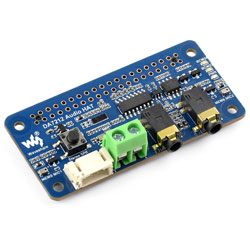
- Uses the DA7212 professional stereo codec chip, controlled via I2C interface and transmitting audio via I2S
- Onboard standard 3.5mm headphone jack for playing music with external headphones
- Onboard AUX input interface for easy connection to other devices
- Onboard speaker screw terminal and a PH2.0 dual‑channel speaker connector, offering multiple interface types for a wider range of usage scenarios
- Onboard dual microphones for recording without additional external devices
- Onboard programmable button and indicators for custom functions
- Supports sampling frequency up to 96KHz
- Supports up to 24-bit resolution audio data
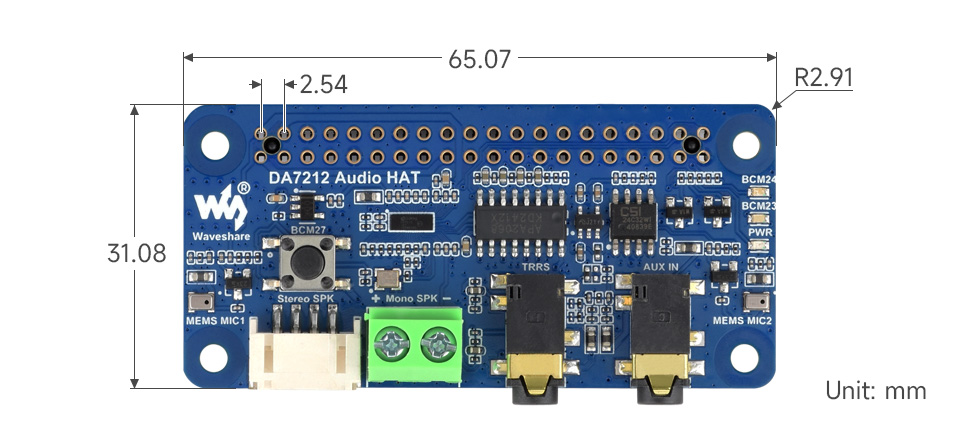
Dimensions
AUDIO
This section describes how to use GPIO to drive audio functions on the Raspberry Pi, laying the foundation for subsequent project development.
AUDIO Operations
Check Audio Devices
DANGER
The module must be connected before powering on to be properly recognized.
- Check currently recognized audio playback devicesaplay -l
Audio Playback
- Play the audio file
test.wav(using the corresponding device; here the recognized audio device is hardware sound card number 2). Ensure thetest.wavfile exists in the current directory.aplay -D plughw:2 test.wav - The speaker or headphones will then play the audio
alsamixer Audio Configuration
- Open the alsamixer audio configuration toolsudo alsamixer
- If the sound card is not set as the default, press F6 to select the sound card device.
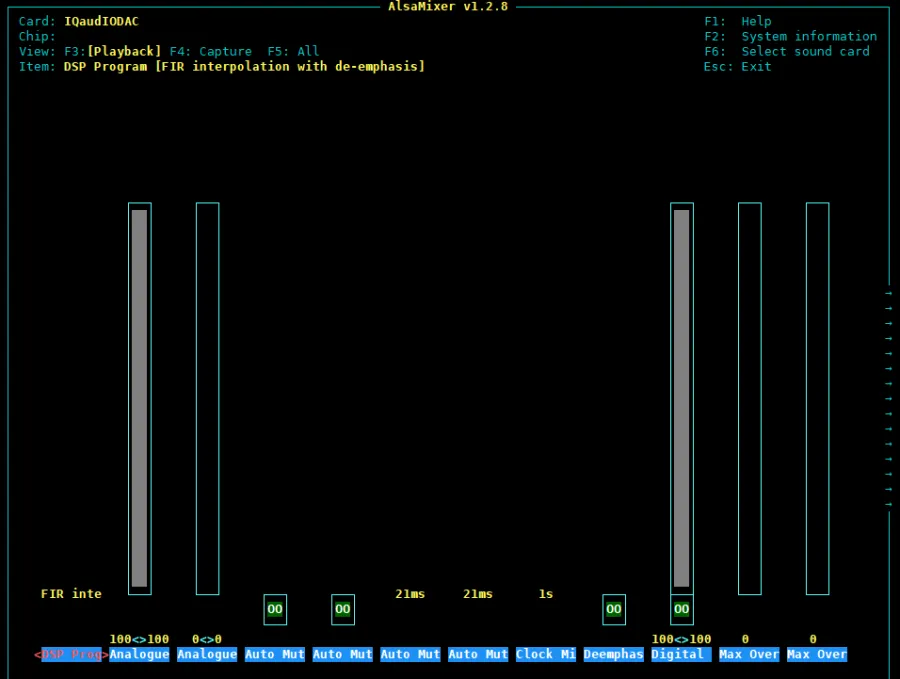
- Use the left/right arrow keys to select functions and the up/down arrow keys to adjust the corresponding volume.
Play MP3
- aplay only supports WAV audio. In practice, MP3 format audio is more common. Install the mpg123 playback tool.sudo apt-get install mpg123
- Play the music.mp3 audio file. Ensure the music.mp3 file exists in the current directory.sudo mpg123 music.mp3
Graphical Configuration
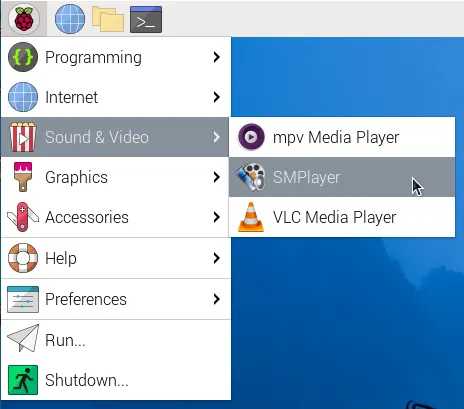
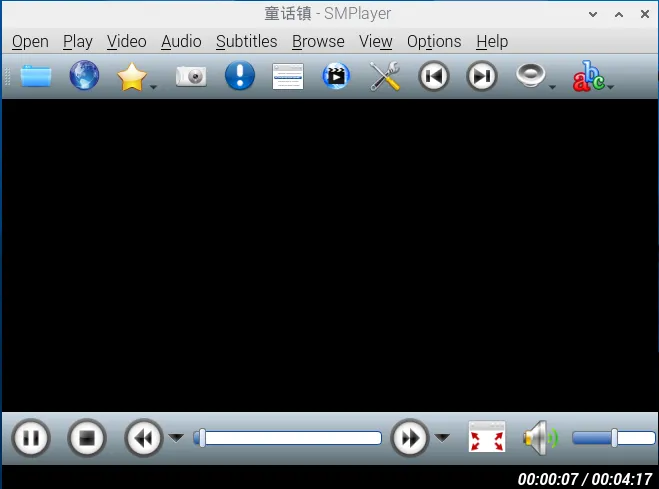
- Install the graphical audio control tool smplayersudo apt-get install smplayer
- Right-click in the interface and select IOaudIODAC as the default.
Resources
1. Hardware Resources
- Development Board Design File
- Dimension Drawings
TAG:
Luckfox Pico MINI
Sipeed NanoCluster Mini Cluster Board mini data center For Raspberry Pi CM45 / Computer /LM3H /M4N
1.54inch LCD TouchScreen Display 240×240 ST7789S For Arduino /Raspberry Pi /ESP32 /Pico /STM32
Raspberry Pi LCD 3D Display
Milk-V Duo Camera
Industrial USB TO RS485 Isolated Bidirectional Converter Original FT232RNL 2 Meters long
PI5
luckfox-pico-ultra-w-WIFI-Bluetooth
USB TO 2.5G Ethernet Port Converter RJ45 RTL8156B Driver-Free For Windows/macOS/Linux/Android
ESP32-S3 GC9A01A
Raspberry Pi 13.3 inch FHD AMOLED 1080P Capacitive TouchScreen Display Type-C/HDMI For Computer PC
spotpear
1.3inch LCD RP2040-PiZero Game ST7789 Raspberry Pi Pico LCD Display Screen
Milk V
7inch Monitor Display
RK3566
Raspberry Pi 5 RTC charge configuration
Raspberry Pi 5 Camera
Modbus POE ETH Relay Waveshare User Guide
Raspberry Pi 9inch DSI MIPI LCD TouchScreen Display 9inch 720x1280 For Luckfox Lyra RK3506/ESP32-P4/Luckfox Omni3576