



- sales/support
Google Chat:---
- sales
+86-0755-88291180
- sales01
sales@spotpear.com
- sales02
dragon_manager@163.com
- support
tech-support@spotpear.com
- CEO-Complaints
zhoujie@spotpear.com
- Only Tech-Support
WhatsApp:13246739196
- Purchase/Shipping/Refund
WhatsApp:13424403025
- HOME
- >
- ARTICLES
- >
- Common Moudle
- >
- ESP
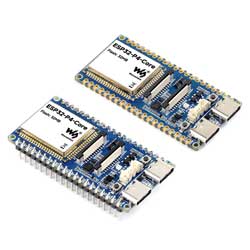
ESP32-P4-Core-DEV-KIT User Guide
Features
- Processor
- Dual-core RISC-V 32-bit HP system with DSP, instruction-set extensions, and FPU, up to 360 MHz
- Single-core RISC-V 32-bit LP system, up to 40 MHz
- Memory
- 128 KB HP ROM, 16 KB LP ROM, 768 KB HP L2MEM, 32 KB LP SRAM, and 8 KB TCM
- 32 MB PSRAM stacked inside ESP32-P4 package; 32 MB NOR Flash integrated on the ESP32-P4-Core module
- Peripheral Interfaces
- Onboard MIPI-CSI camera interface and MIPI-DSI display interface for image capture, screen output, and HMI
- USB OTG 2.0 HS for extending USB devices or validating high-speed USB applications
- SPI, I2S, I2C, LED PWM, MCPWM, RMT, ADC, UART, TWAI for connecting sensors, audio, control, and communication peripherals
- 2×20 pin headers and bottom GPIO pads; available with or without pre-soldered headers
- Security
- Secure boot, flash encryption, hardware crypto accelerators, and hardware random number generator
- Hardware access protection for access control and privilege separation
Hardware Description
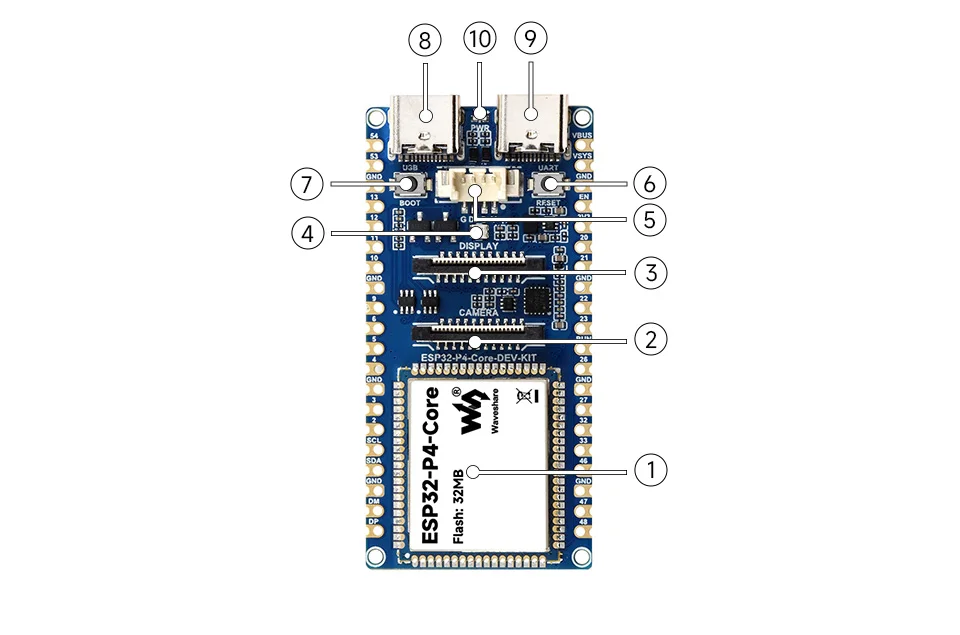
- ESP32-P4-Core Module houses the ESP32-P4 and 32 MB NOR Flash; the ESP32-P4 package stacks 32 MB PSRAM
- MIPI-CSI Interface 2-lane MIPI camera interface for image capture
- MIPI-DSI Interface 2-lane MIPI display interface, compatible with matching DSI displays
- USB OTG 2.0 HS Interface for USB OTG prototyping
- 2×20 Pin Headers breakout programmable GPIOs for connecting peripheral modules and custom baseboards
- Bottom GPIO Pads suitable for compact integration or fixed-wiring scenarios
- BOOT / RST Buttons for entering download mode and resetting the board
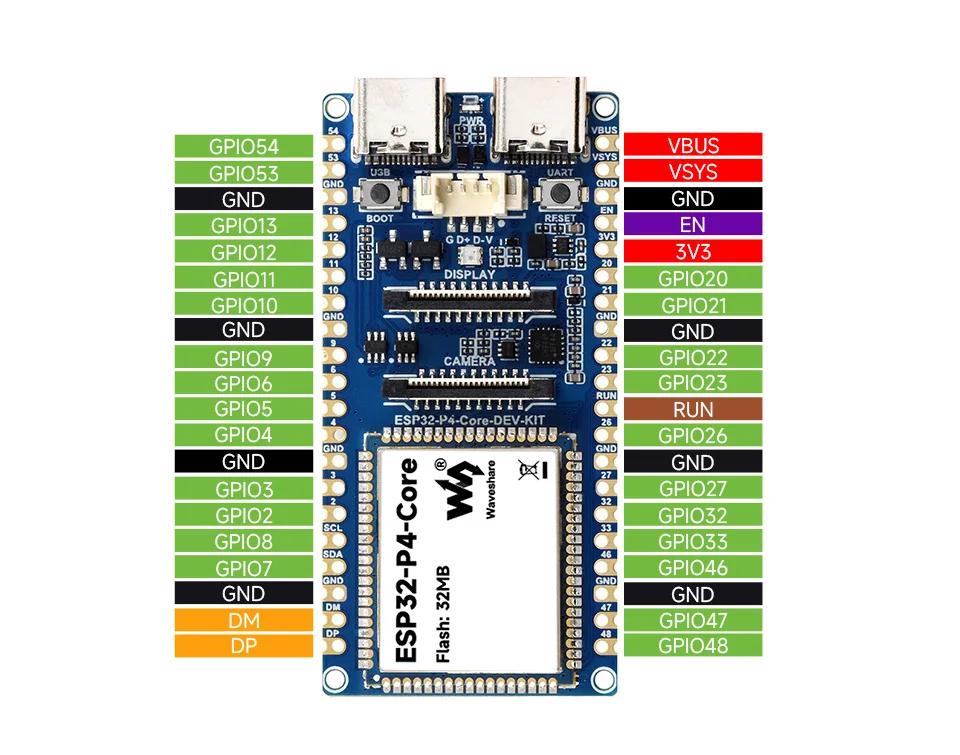
Pinout Definition
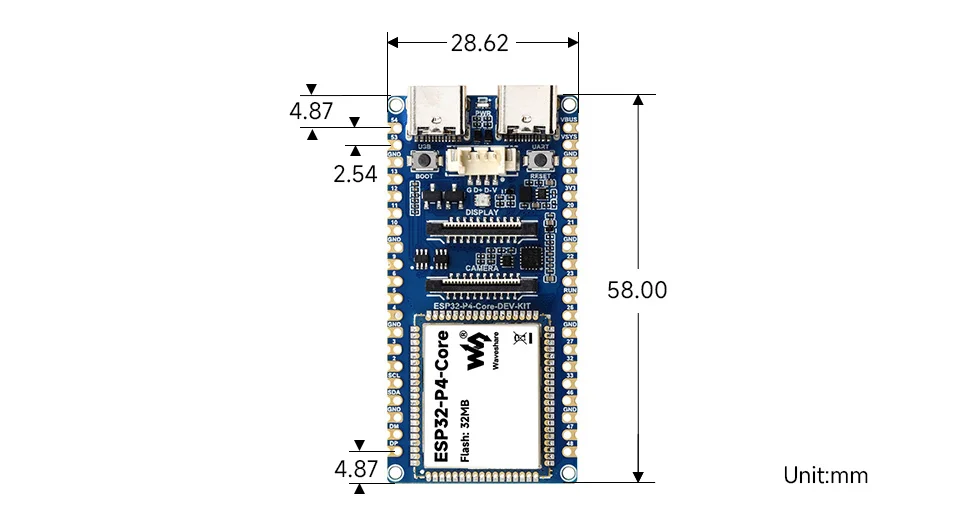
Dimensions
Working with ESP-IDF
This chapter covers:
- ESP-IDF Getting Started
- Setting Up the ESP-IDF Development Environment
- ESP32-P4 Platform Example Repository
ESP-IDF Getting Started
New to ESP32 ESP-IDF development and looking to get started quickly? We have prepared a general Getting Started Tutorial for you.
- Section 1: Environment Setup
- Section 2: Running Examples
- Section 3: Creating a Project
- Section 4: Using Components
- Section 5: Debugging
- Section 6: FreeRTOS
- Section 7: Peripherals
- Section 8: Wi-Fi Programming
- Section 9: BLE Programming
Please Note: This tutorial uses the ESP32-S3-Zero as a teaching example, and all hardware code is based on its pinout. Before you start, it is recommended that you check the pinout of your development board to ensure the pin configuration is correct.
Setting Up the ESP-IDF Development Environment
The ESP32-P4 Platform examples target ESP-IDF release/v5.4 and later. ESP-IDF v5.5.4 is recommended. For individual advanced UI examples, check the example directory README for specific version requirements.
The following guide uses Windows as an example, demonstrating development using VS Code + the ESP-IDF extension. macOS and Linux users should refer to the official documentation.
The screenshots in this section use ESP-IDF V5.5.2 as an example. When installing, please select the ESP-IDF version that matches your board's example.
Install the ESP-IDF Development Environment
Download the installation manager from the ESP-IDF Installation Manager page. This is Espressif's latest cross-platform installer. The following steps demonstrate how to use its offline installation feature.
Click the Offline Installer tab on the page, then select Windows as the operating system and the ESP-IDF version you need (the version shown in the screenshot is for reference only — choose the version that fits your actual needs).
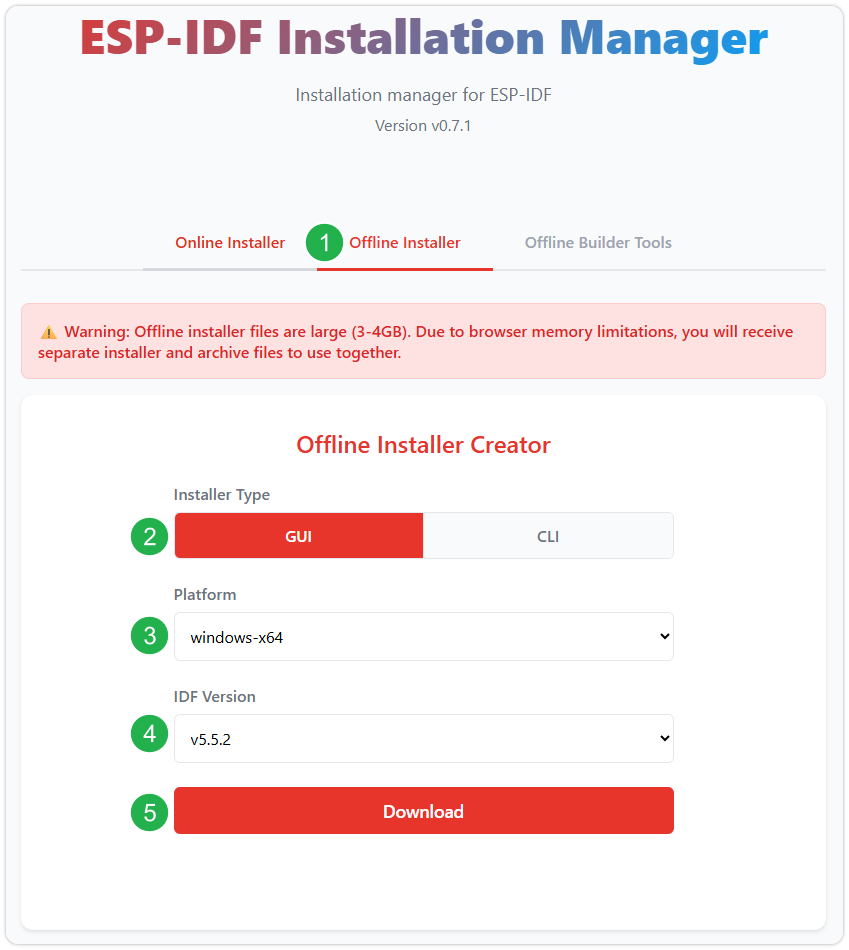
After confirming your selection, click the download button. The browser will automatically download two files: the ESP-IDF Offline Package (.zst) and the ESP-IDF Installer (.exe).
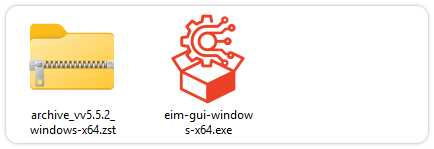
Please wait for both files to finish downloading.
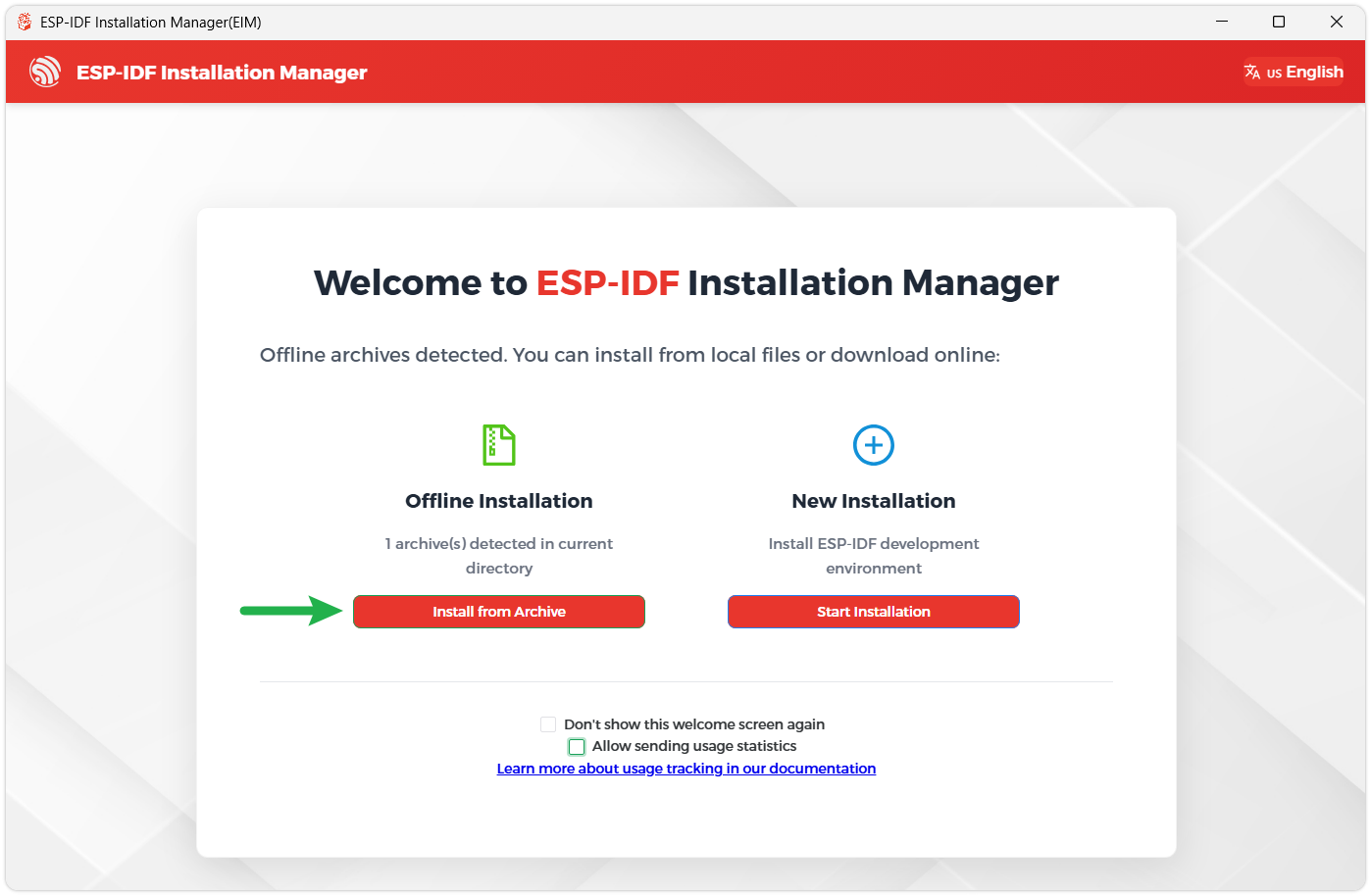
Once the download is complete, double-click to run the ESP-IDF Installer (eim-gui-windows-x64.exe).
The installer will automatically detect if the offline package exists in the same directory. Click Install from archive.
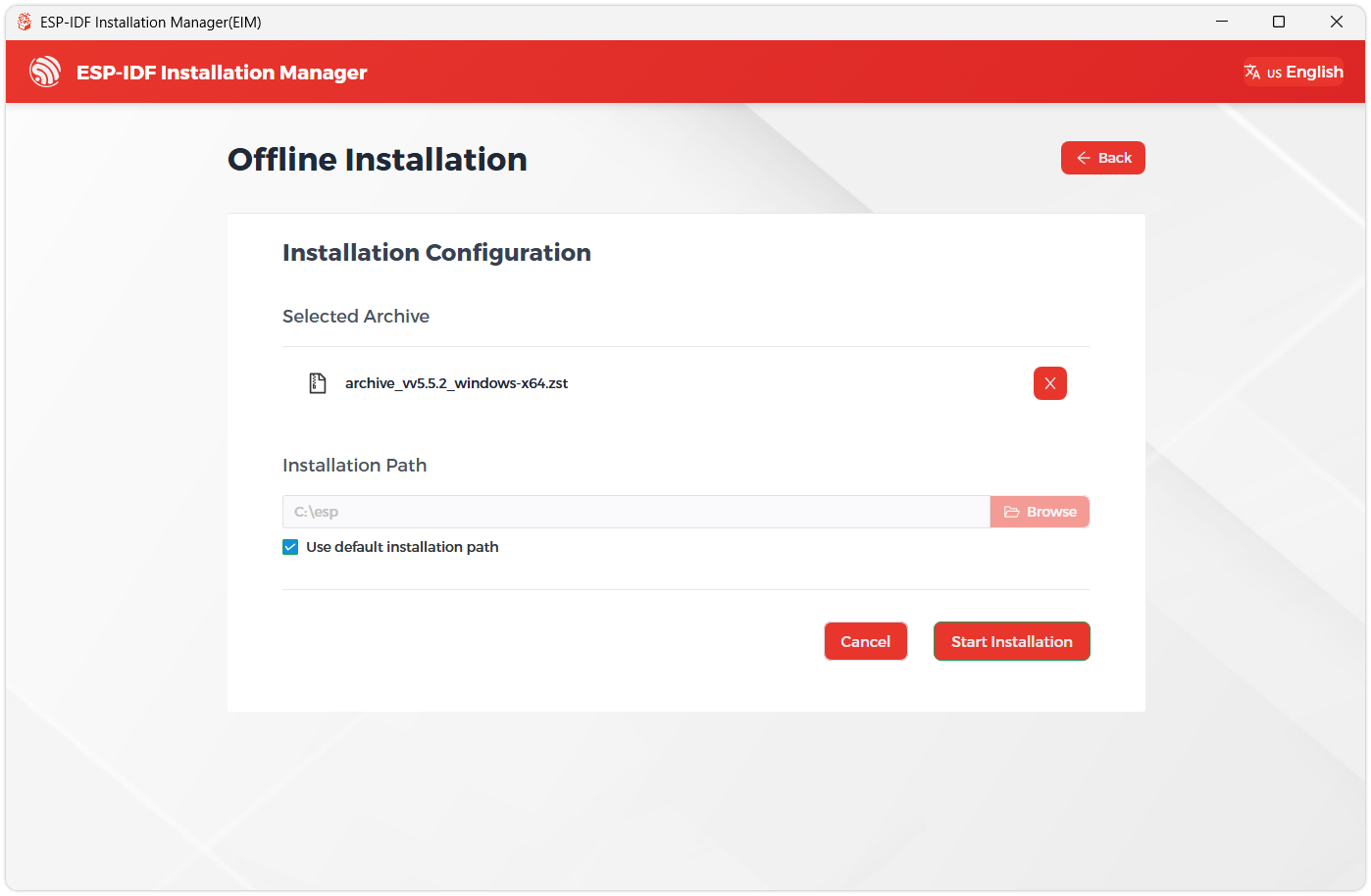
Next, select the installation path. We recommend using the default path. If you need to customize it, ensure the path does not contain Chinese characters or spaces. Click Start installation to proceed.
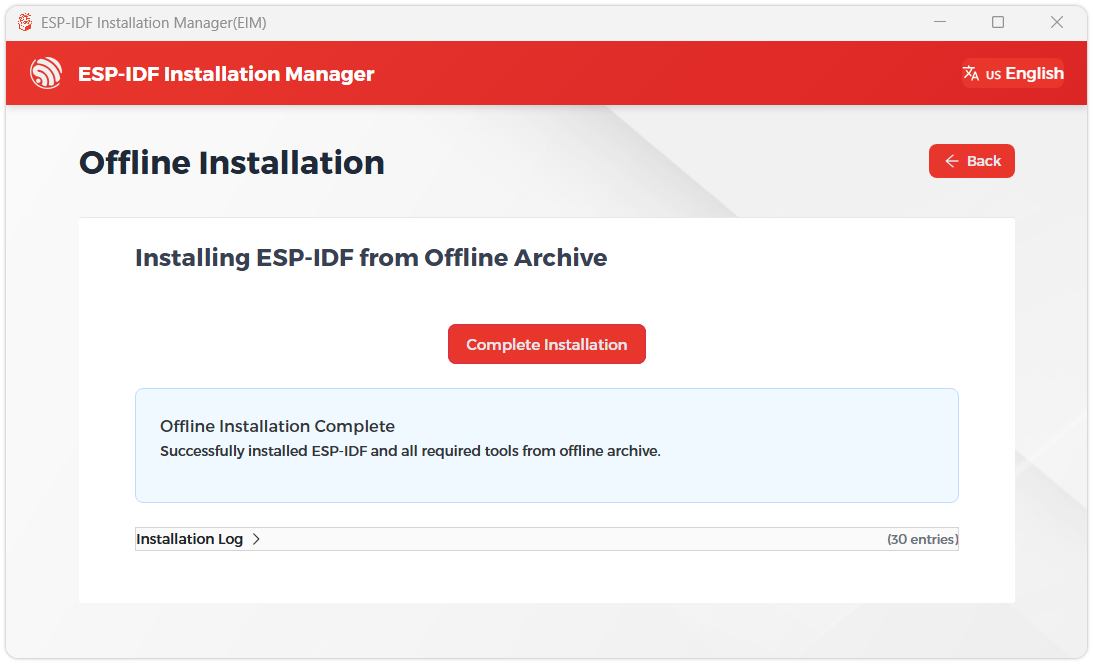
When you see the following screen, the ESP-IDF installation is successful.
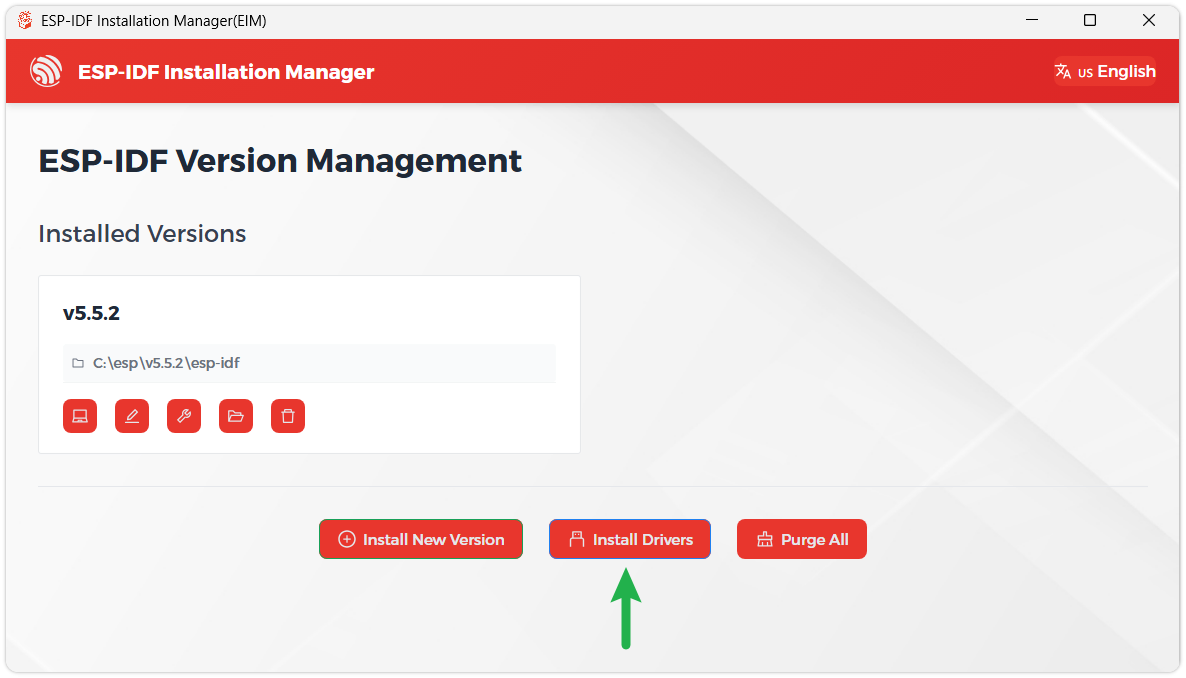
We recommend installing the drivers as well. Click Finish installation, then select Install driver.
Install Visual Studio Code and the ESP-IDF Extension
Download and install Visual Studio Code.
During installation, it is recommended to check Add "Open with Code" action to Windows Explorer file context menu to facilitate opening project folders quickly.
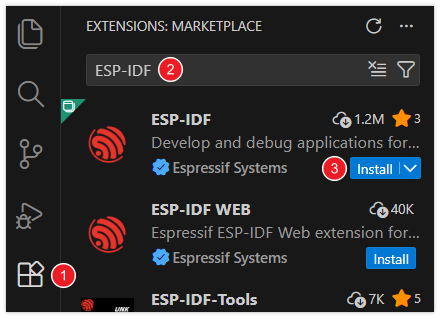
In VS Code, click the Extensions icon
 in the Activity Bar on the side (or use the shortcut Ctrl + Shift + X) to open the Extensions view.
Enter ESP-IDF in the search box, locate the ESP-IDF extension, and click Install.
Resources
1. Hardware Resources
Schematic
2. Technical Manuals
3. Example Programs
Support
Monday-Friday (9:30-6:30) Saturday (9:30-5:30)
Email: services01@spotpear.com